
Guide 04 / C.R.S. 42-2-126 and 42-2-132.5

Colorado DUI License Revocation and Interlock Guide

The license case starts before the court case does, moves faster, and is decided by a different office. Here is how administrative revocation works in Colorado and where ignition interlock fits.

Statutes: 42-2-126, 42-2-132.5Last checked November 2026About 11 minutes

Two Cases From One Arrest

A Colorado DUI license revocation is usually not a punishment handed down by a judge. It is an administrative action by the Colorado Division of Motor Vehicles under C.R.S. 42-2-126, triggered by a chemical test at or above the legal line or by a refusal. The criminal case in court runs alongside it. The two share facts but little else, and confusing them is the most common mistake readers describe to us.

Decided by
A DMV hearing officer, not a judge or jury
Trigger
An excess BAC result or a refusal, reported by the officer
Main statute
C.R.S. 42-2-126 (revocation), 42-2-132.5 (interlock)
Clock
Starts with the revocation notice; the hearing must be requested within the deadline on the notice
Possible result
Revocation upheld or rescinded; reinstatement conditions

Because the tracks are independent, a good result in one does not automatically carry over to the other. A driver can win the DMV hearing and still face the criminal charge, or have the charge reduced in court while a revocation stands. Sentencing in the criminal case is covered in the Colorado DUI penalties guide.

How Administrative Revocation Starts

When a driver tests at or above the line or refuses, the officer typically serves a written notice of revocation, often on the spot. The notice explains when the revocation takes effect, what the driver may do in the meantime, and how to request a hearing. Some readers set it aside because the court paperwork looks more urgent. That is backwards: the notice carries the shorter deadline.
Step by step

The DMV Revocation Process in Five Steps

The order below is the usual sequence. Exact timing comes from the notice and the DMV, never from a general guide.

  1. 01

    The notice is served

    The officer records the test result or the refusal and serves a revocation notice. Keep it with the summons; it is the start of the license case.

  2. 02

    A hearing is requested, or not

    The driver may ask the DMV for a hearing within the deadline printed on the notice. If no request arrives in time, revocation generally takes effect as stated.

  3. 03

    The hearing is held

    A hearing officer considers issues such as whether there was probable cause, whether the test result or refusal is proven, and whether procedures were followed. Hearings can be held remotely.

  4. 04

    A decision is issued

    The revocation is upheld or rescinded. An upheld revocation can be appealed to district court on limited grounds, again on a deadline.

  5. 05

    Reinstatement conditions are met

    Reinstatement usually requires serving the revocation or qualifying for early reinstatement, plus items such as proof of insurance filings, alcohol education enrollment and an interlock where required.

Revocation Periods Most Often Cited

The lengths below are the figures most commonly cited from C.R.S. 42-2-126 at our last check. They are a starting point for reading a notice, not a substitute for it.

Administrative revocation periods (commonly cited, verify with the notice)
EventRevocationEarly reinstatement on interlock
First excess BAC (0.08+), adult9 monthsOften available after a short initial period
Second excess BAC1 yearAvailable on conditions
Third or later excess BAC2 yearsAvailable on conditions
First refusal1 yearAvailable after part of the period, with persistent drunk driver conditions
Under 21 (UDD range)Shorter, separate scheduleDepends on the notice

Ignition Interlock in Colorado

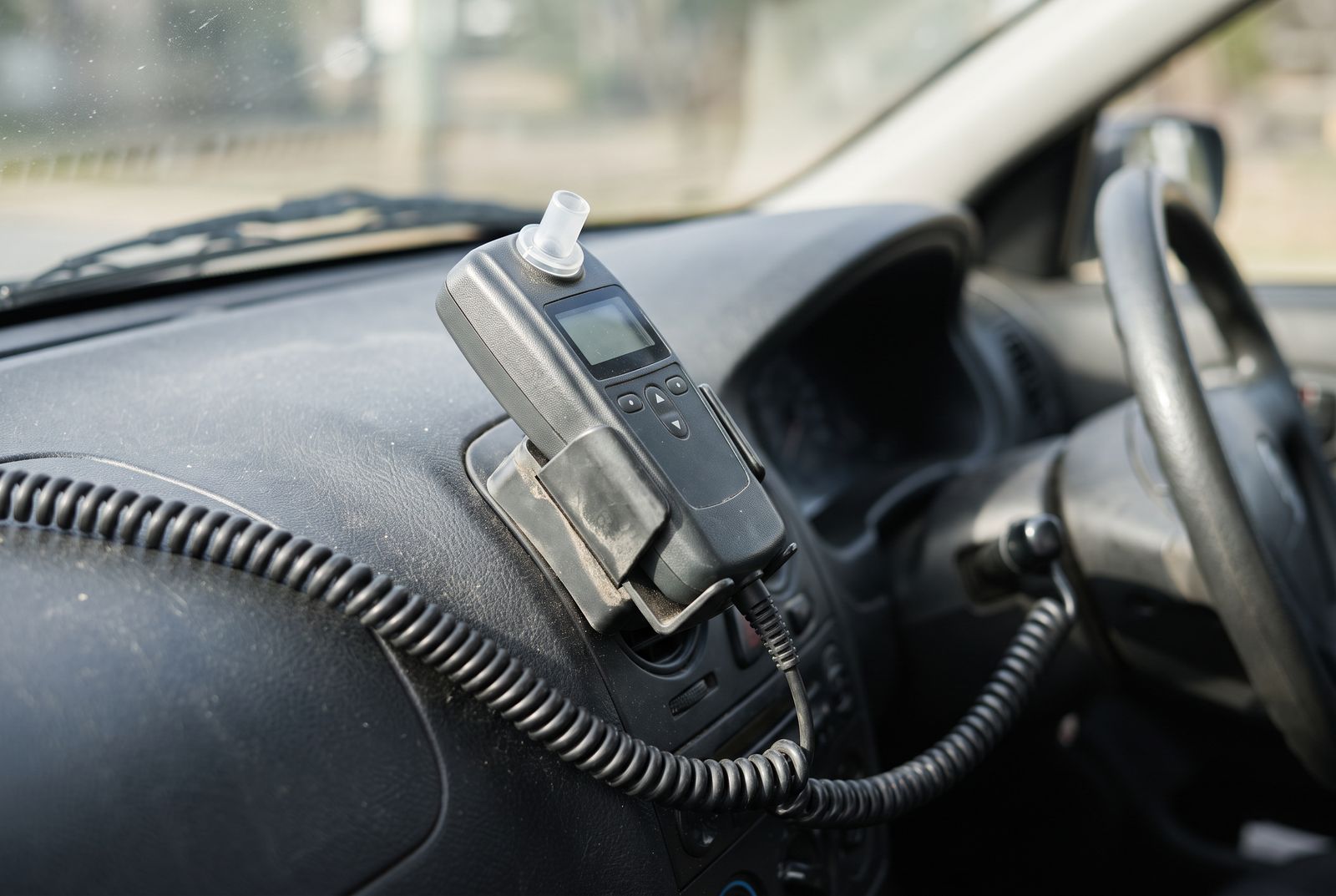
An ignition interlock is a breath-testing device wired into a vehicle's ignition. The engine will not start until the driver gives a sample below the device's set limit, and the device asks for random retests while driving and logs every result. Colorado's interlock program is set out in C.R.S. 42-2-132.5, with installation and monitoring through state-approved providers.

Interlock appears in Colorado DUI cases in two ways:

  • As an option. Many drivers become eligible for early reinstatement if they agree to drive only interlock-equipped vehicles for the remainder of the period and a set time beyond.
  • As a requirement. Persistent drunk drivers, repeat offenders and drivers revoked for refusal generally must hold an interlock-restricted license for a period before full privileges return.

Logged violations, such as failed tests or missed retests, can extend the interlock period. Costs are paid by the driver to the provider; the state has had assistance programs for drivers who qualify, and a lawyer or the DMV can say whether one applies.

A generic ignition interlock handset mounted on a car dashboard
Illustrative photo of a generic interlock handset. Not a specific provider's device.

Persistent Drunk Driver Designation

The persistent drunk driver (PDD) definition in C.R.S. 42-1-102 pulls a driver into stricter licensing rules. It covers a driver with a BAC of 0.15 or more, a driver with repeat alcohol-related driving violations, and a driver who refuses testing under the express consent law. PDD conditions typically include an interlock period and completion of Level II alcohol and drug education and therapy before full reinstatement.

Bottom line
  • The DMV case and the court case are separate, with separate deadlines and outcomes.
  • The hearing request deadline on the notice is the most urgent item in the file.
  • Interlock is both a route to early reinstatement and, for some drivers, a requirement.
  • A 0.15 result or a refusal can bring persistent drunk driver conditions.

Verify Colorado amends its DUI statutes often. Check the current text of C.R.S. 42-2-126 and 42-2-132.5 on the Colorado General Assembly site and ask a licensed Colorado attorney how it applies to you. Last reviewed November 2026.

Questions readers ask

Colorado DUI License Revocation: Common Questions

Is a Colorado DUI license revocation separate from the court case?

Yes. The Division of Motor Vehicles can revoke a license administratively under C.R.S. 42-2-126 for an excess BAC result or a refusal. That case has its own hearing, its own standard of proof and its own timeline. A dismissal in court does not automatically undo a DMV revocation, and a DMV win does not end the criminal case.

How long do I have to request a DMV hearing after a Colorado DUI?

The deadline is short, counted in days from the date of the revocation notice, and it is printed on the notice itself. The legislature has changed this period over the years, so read the current number on the paperwork and confirm it with a licensed attorney or the DMV right away.

What is early reinstatement with an interlock in Colorado?

For many revocations, Colorado allows a driver to reinstate before the full revocation period ends by installing an approved ignition interlock device and meeting other conditions, under C.R.S. 42-2-132.5. Eligibility, the waiting period and the length of the interlock requirement depend on the type of revocation and the driver's history.

What is a persistent drunk driver in Colorado?

A statutory category in C.R.S. 42-1-102 that includes a driver with a BAC of 0.15 or more, a driver with repeat alcohol-related driving violations, and a driver who refuses testing. It brings additional licensing conditions, including ignition interlock and Level II alcohol and drug education and therapy.

Next step

Put the notice in front of a lawyer early

The license case moves on its own clock. A licensed Colorado attorney can confirm the hearing deadline and reinstatement options for the specific notice. The checklist lists what to ask.

This guide cannot review a case. A licensed Colorado attorney can. Bring the checklist; keep the details of your case for that conversation.