
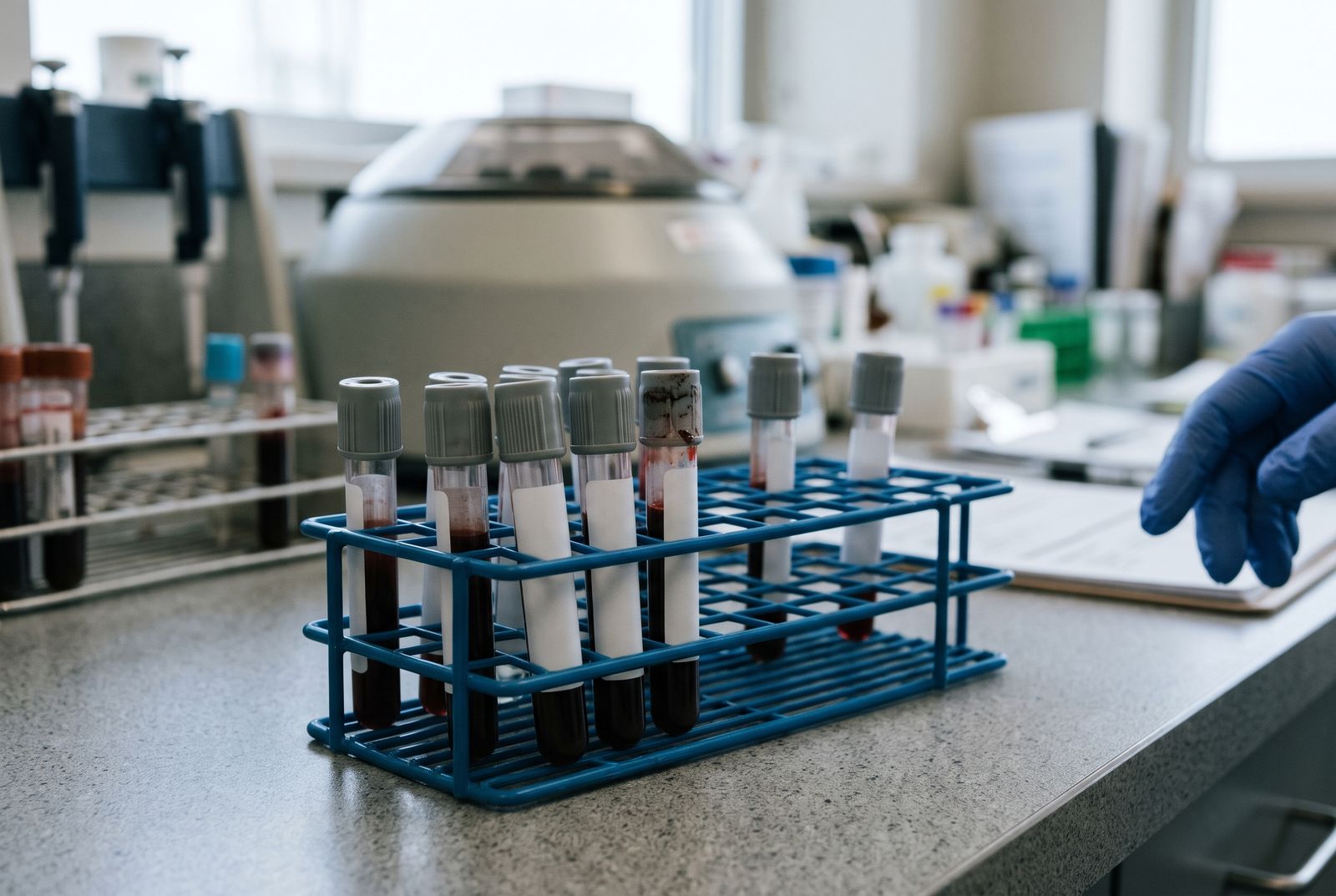
Drugs Are Written Into the Same DUI Statute
Colorado does not have a separate drug driving law. A Colorado drug DUI is charged under the same section as an alcohol case, C.R.S. 42-4-1301, because the DUI and DWAI definitions cover driving while affected by "alcohol or one or more drugs, or a combination of both alcohol and one or more drugs." Everything in the Colorado DUI laws guide about the difference between "substantially incapable" and "slightest degree" applies here too.
The statute defines "drug" broadly. It reaches controlled substances and other substances, including certain inhaled chemicals, that can affect a person's ability to drive. That includes over-the-counter medicines and prescriptions when they impair, not only illegal drugs.
Statute note
The statute states that a person's legal entitlement to use a drug, medical marijuana included, is not by itself a defense. The question the law asks is about the effect on driving, not about how the drug was obtained.
What the 5 Nanogram THC Inference Does
The figure most people know is "five nanograms." Under the evidence rules in C.R.S. 42-4-1301(6), if a driver's blood contained 5 nanograms or more of delta-9 tetrahydrocannabinol per milliliter of whole blood, as shown by analysis of a sample, the fact-finder may infer that the driver was under the influence of one or more drugs.
Three details in that sentence do a lot of work:
- Delta-9 THC, not metabolites. The figure refers to the active compound, not the inactive breakdown products that can linger far longer.
- Whole blood. The number is tied to a blood sample, which is why blood draws dominate marijuana cases.
- A permissible inference. Colorado's legislature chose an inference rather than a per se limit. Unlike 0.08 for alcohol, 5 ng/ml does not by itself define a separate offense.
That third point is the one most often misreported. A permissible inference lets a judge or jury conclude the driver was under the influence; it does not require it, and the defense can offer contrary evidence. The reverse is also true. A result below 5 ng/ml, or a case with no THC number at all, can still be charged if other evidence suggests impairment.
| Substance | Usual test | Number in the statute | What the number does |
|---|---|---|---|
| Alcohol | Breath or blood | 0.05, 0.08 (and 0.02 under 21) | Inferences at 0.05 and 0.08; 0.08 is also the per se offense |
| Marijuana (THC) | Blood | 5 ng/ml delta-9 THC | Permissible inference of DUI only; no per se offense |
| Other drugs | Blood, plus observations | None | Impairment is argued from evidence as a whole |
| Alcohol plus drugs | Breath and/or blood | Alcohol lines apply to the alcohol portion | The DUI and DWAI definitions expressly cover the combination |
How Drug Testing Fits the Express Consent Law
Colorado's express consent law, C.R.S. 42-4-1301.1, applies to drugs as well as alcohol. When an officer has probable cause to believe a driver is under the influence of drugs, the statute lets the officer require a blood test rather than leaving the driver the breath-or-blood choice that applies in alcohol-only cases. Refusing a required test has the same licensing consequences as refusing an alcohol test.
Many Colorado agencies also have officers trained as drug recognition experts, who follow a structured evaluation (eye examinations, vital signs, divided-attention tasks and an interview) and record an opinion about which category of drug may be involved. That opinion is evidence, and like any evidence it can be examined in court.
Prescriptions, Medical Marijuana and Over-the-Counter Medicine
The statute's "not a defense" language surprises many readers who take a prescribed medication exactly as directed. Read carefully, it says that the legal right to use a drug does not by itself defeat a charge; it does not say that every person with a prescription in their system is guilty. The question remains whether the substance left the driver substantially incapable (DUI) or affected to the slightest degree (DWAI).
Practical questions for a lawyer in a prescription case include how the dose and timing compare with the test, what the label warnings said, and whether a medical professional can speak to the person's tolerance. We list more on the questions for a Denver DUI lawyer checklist.
Which Rule Applies to Which Situation
Penalties and Licensing in Drug Cases
The sentencing ranges for a drug DUI or DWAI are the same as for alcohol; they are set by the offense and the number of prior convictions, not by the substance. The Colorado DUI penalties guide walks through them. On the licensing side, a drug-only case without a refusal or an excess alcohol result does not always follow the same administrative path as an alcohol case, and a conviction itself can carry license consequences. Ask a lawyer to map out both tracks for the specific facts.
- Drug DUI is charged under the same statute and definitions as alcohol DUI.
- 5 ng/ml delta-9 THC in whole blood is a permissible inference, not a per se offense.
- A prescription or medical marijuana card is not by itself a defense.
- Timing and observations carry more weight in THC cases than in most alcohol cases.
Verify Colorado amends its DUI statutes often. Check the current text of C.R.S. 42-4-1301 and 42-4-1301.1 on the Colorado General Assembly site and ask a licensed Colorado attorney how it applies to you. Last reviewed November 2026.